
Explore evidence-based strategies to support joint comfort and maintain mobility through mindful daily choices, gentle physical activities, and balanced nutritional approaches designed for long-term wellness
Start Your Wellness JourneyThe foundation of joint wellness begins with understanding how everyday actions influence our body's natural support systems. Each movement pattern, rest position, and activity choice contributes to the overall experience of comfort and mobility we enjoy throughout our lives.
Joints represent sophisticated biological structures where bones connect, protected by cartilage tissue and lubricated through synovial fluid. This intricate system enables smooth, comfortable movement when we nurture it with appropriate care, balanced activity patterns, and mindful lifestyle choices that respect its natural function.
Developing consciousness about how we move throughout the day helps identify patterns that may strain joints unnecessarily. By recognizing these habits early, we can adjust our approach to daily activities, supporting better joint function and enhanced comfort during routine tasks.
Establishing regular patterns for activity and rest creates predictability that joints respond well to. This consistency helps maintain flexibility, supports natural lubrication processes, and encourages the body's innate maintenance systems to function optimally over extended periods.
Joints adapt gradually to new activities and demands. By introducing changes slowly and allowing adequate time for adjustment, we respect the body's natural adaptation timeline, supporting long-term comfort and maintaining functional mobility as we age.
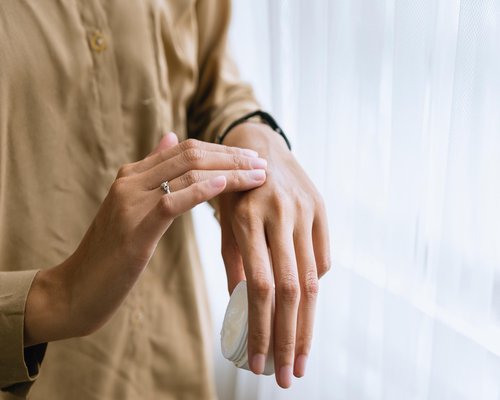
Beginning each day with gentle stretches and gradual movement helps joints transition from rest to activity, supporting comfort throughout the day.
Regular intervals of movement during sedentary activities prevent stiffness and maintain joint flexibility during extended periods of sitting or standing.
Gentle evening activities and relaxation techniques help joints recover from daily demands, preparing the body for restorative rest.
Physical activity represents one of the most effective approaches to maintaining joint health and comfort. Rather than rest alone, appropriate movement encourages circulation, maintains flexibility, and supports the natural processes that keep joints functioning smoothly.
Regular walking stands as an accessible, low-impact activity that supports joint mobility without excessive strain. Daily walks of twenty to thirty minutes encourage fluid movement within joints, strengthen surrounding muscles, and promote cardiovascular health, all while being gentle on the skeletal system.
Swimming and aquatic exercises provide exceptional joint support by reducing gravitational stress while maintaining resistance for muscle strengthening. The buoyancy of water creates an ideal environment for comfortable movement, making it particularly beneficial for those seeking gentle exercise options.
Yoga, tai chi, and structured stretching routines enhance joint range of motion while building awareness of body positioning. These practices combine gentle movement with mindfulness, supporting both physical flexibility and mental relaxation for comprehensive wellness.

The optimal amount of movement varies by individual circumstances, age, and current fitness level. Starting conservatively and gradually increasing activity duration and intensity allows the body to adapt comfortably. Listen to your body's signals, and remember that consistency matters more than intensity when supporting long-term joint wellness.
How we position ourselves during both active and resting periods significantly influences joint comfort. Proper alignment distributes mechanical stress evenly, while poor positioning concentrates pressure on specific joints, potentially leading to discomfort over time.
Arranging your work environment to support natural body alignment reduces unnecessary joint stress. Position screens at eye level, maintain keyboards at elbow height, and ensure chairs provide adequate lumbar support. These adjustments help prevent strain during extended working periods.
Proper technique when lifting, reaching, or bending protects joints from acute stress. Squat rather than bend at the waist, hold objects close to your body's center, and pivot your feet instead of twisting your spine. These principles apply whether lifting heavy objects or performing light household tasks.
Quality rest in supportive sleeping positions allows joints to recover from daily demands. A mattress that maintains spinal alignment, combined with pillows that support natural curves, creates optimal conditions for overnight restoration. Side sleepers benefit from knee pillow placement.

Screen tops should align with or slightly below eye level to maintain neutral neck positioning and prevent upper spine strain.
Adjustable chairs with lumbar support help maintain the spine's natural curve, reducing lower back stress during sitting.
Feet should rest flat on the floor or footrest, with knees at approximately ninety-degree angles for optimal circulation and comfort.
Standing and stretching every thirty to sixty minutes prevents prolonged static loading of joints during desk work.
Dietary choices play a fundamental role in supporting the tissues that comprise and surround our joints. A balanced nutritional approach provides building blocks for cartilage maintenance, supports healthy inflammatory responses, and ensures adequate hydration for optimal joint lubrication.
Emphasizing minimally processed foods rich in natural nutrients supports overall body function, including joint health. Colorful vegetables, lean proteins, whole grains, and healthy fats provide diverse micronutrients that contribute to tissue maintenance and cellular function throughout the musculoskeletal system.
Fatty fish like salmon, mackerel, and sardines contain omega-3 fatty acids that support the body's natural inflammatory regulation. For those who don't consume fish, walnuts, flaxseeds, and chia seeds offer plant-based alternatives that contribute similar nutritional benefits for joint wellness.
Consistent water intake throughout the day maintains synovial fluid volume, which naturally lubricates joint surfaces. Aim for eight to ten glasses daily, adjusting for physical activity levels, climate conditions, and individual needs. Proper hydration supports cartilage elasticity and overall joint function.

Vitamin C assists in collagen synthesis, a protein essential for cartilage structure. Vitamin D and calcium work together to maintain bone density, which provides the foundation for healthy joints. Antioxidants found in berries, leafy greens, and nuts help protect tissues from oxidative stress, contributing to long-term joint comfort and function.
Citrus fruits, bell peppers, and strawberries provide vitamin C to support collagen production and tissue repair.
Dairy products, fortified plant milks, and leafy greens supply calcium essential for maintaining strong bones.
Nuts, seeds, avocados, and olive oil provide beneficial fats that support overall health and joint comfort.
Berries, dark chocolate, and green tea contain antioxidants that help protect joint tissues from cellular stress.
Beyond specific habits, an integrated lifestyle approach considers multiple factors that collectively influence joint comfort. Weight management, stress reduction, and adequate sleep all contribute to creating an environment where joints can function optimally.
Maintaining appropriate body weight reduces mechanical load on weight-bearing joints including knees, hips, and spine. Every excess pound adds multiple pounds of pressure to these joints during walking. Balanced nutrition and regular activity naturally support healthy weight maintenance without extreme measures.
Chronic stress can amplify perception of physical discomfort and may influence inflammatory processes. Meditation, deep breathing, nature walks, and engaging hobbies provide healthy outlets for stress reduction, indirectly supporting overall wellness including joint comfort.
Adequate restorative sleep allows the body to perform essential maintenance and repair functions. Seven to nine hours of quality sleep nightly supports tissue recovery, regulates inflammatory responses, and helps maintain energy levels for daytime activity that keeps joints mobile.
Lasting improvements come from gradual, sustainable modifications rather than dramatic overhauls. Select one or two areas to address initially, allowing new habits to become established before adding additional changes. This patient approach respects individual circumstances and increases the likelihood of long-term success in supporting joint wellness.

Nairobi, Kenya
Implementing the lifestyle guidance about daily walking and workspace ergonomics has made a remarkable difference in how comfortable I feel throughout my workday. The educational information helped me understand why these small adjustments matter so much for long-term wellness.

Mombasa, Kenya
After learning about proper movement patterns and the importance of consistent gentle activity, I've noticed significant improvements in my mobility and overall comfort. The practical advice on nutrition and hydration complemented my exercise routine perfectly, supporting my active lifestyle.

Kisumu, Kenya
Understanding how daily habits, from sleep positioning to food choices, influence joint comfort has empowered me to make informed decisions about my wellness. The comprehensive approach addresses multiple aspects of lifestyle, making it practical and sustainable for long-term implementation.
contact (at) nonudetu.com
+254 722 456789
Westlands Avenue, Parklands, Nairobi, Kenya